Call Us: +886-2-29068181Email: 121@abalocks.com
enLanguage

Cupboard Lock

What Is Cupboard Lock?


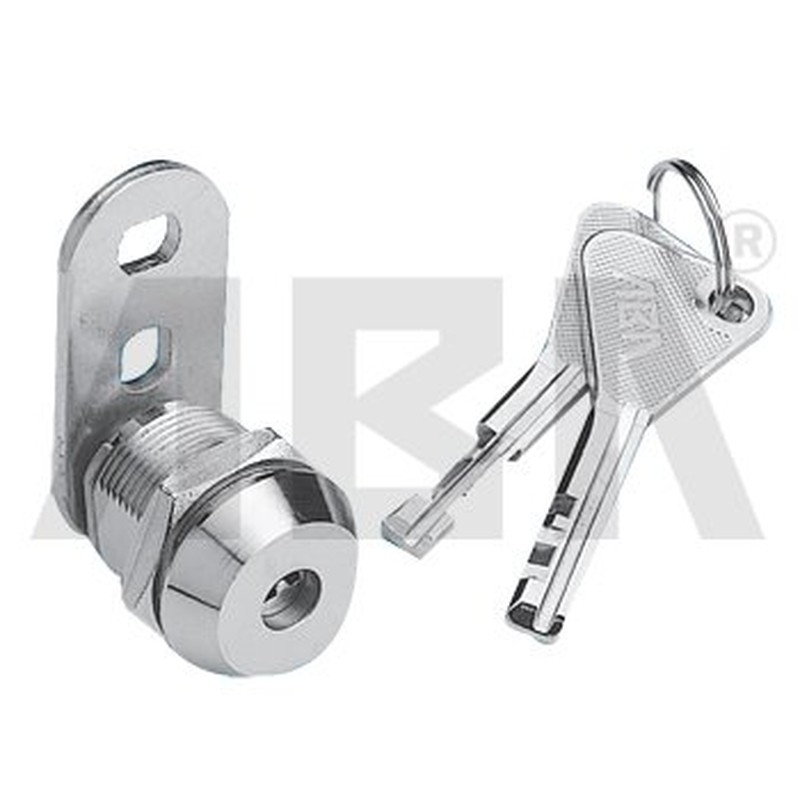
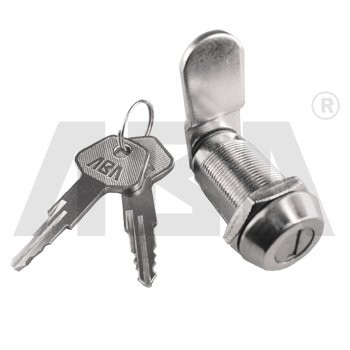
A cabinet door lock is a type of lock designed to secure a cabinet or cupboard. It is typically used to stop unauthorized access to the contents of the cabinet, such as valuable items, dangerous chemicals, or private documents. Cabinet door locks come in different types and designs, but they generally consist of a lock mechanism that is installed on the cabinet door and a key or combination to unlock the mechanism.


Advantages of Cupboard Lock
 

Security
THaving a cupboard lock also provides peace of mind knowing that valuable or sensitive items are kept safe and secure.In a workplace setting, installing cupboard locks can also help protect confidential information or equipment from unauthorized access or theft.


Organization and privacy
Locking cupboards can also help prevent theft or unauthorized access to valuable items. For example, in a workplace, an employee may have access to sensitive documents or equipment that should not be accessible to others. By locking these items in a cupboard, the organization can ensure that only authorized personnel have access to them.


Versatility
They can also be used for different purposes, such as childproofing, securing hazardous materials, and preventing theft. This versatility makes them a useful tool for both residential and commercial environments. Additionally, some cupboard locks have adjustable straps or latches that can fit different cabinet sizes and shapes, making them even more flexible and convenient to use.


Peace of mind
This sense of security allows individuals to focus on other important aspects of life without constantly worrying about their possessions. Whether it is a safe, a security system, or surveillance cameras, the knowledge of having some form of protection provides a sense of relief and the freedom to live a more enjoyable and stress-free life. Access to peace of mind is an invaluable benefit that comes with investing in security measures for homes or businesses.


Why Choose Us

Factory

In line with the tenet of "quality first, credibility first, service first", we always develop with the goal of "creating the best supplier".

Professional team

The members of the team are highly skilled and proficient in their respective roles and possess the necessary education, training, and experience to excel in their jobs.

High Quality

The products are excellent and the details are carefully processed. Every raw material is strictly controlled. 

Competitive Price

We offering a higher-quality product or service at an equivalent price. As a result we have a growing and loyal customer base.


Types of Cupboard Lock
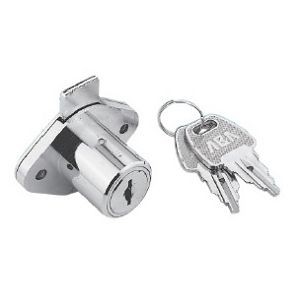
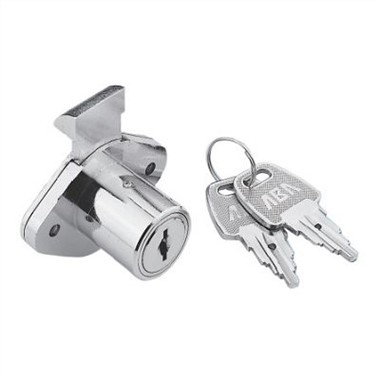
Plunger Key Lock
Cupboard Push Lock
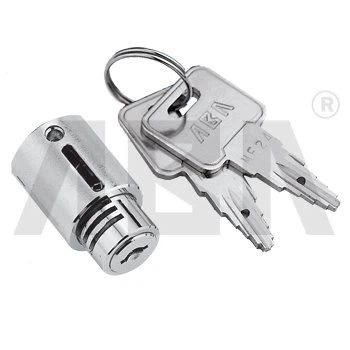
Finland Lock
Flat Key for Lock

Smart drawer lock
Smart drawer locks are electronic cabinet locks that provide enhanced security and convenience. Smart drawer locks are one of the types of commercial door locks that are becoming increasingly popular due to their convenience and versatility.
Locker electronic padlock
These are designed for storage cabinets but can also be used in cupboards. These types of locker locks use a keypad or combination lock to secure a cabinet or locker, often providing a higher level of security than traditional key locks.
Keyless combination cabinet lock
Keyless combination cabinet locks are a convenient and secure option for protecting valuable or sensitive items in your cabinets. Unlike traditional locks that require a physical key to open, keyless combination locks use codes that can be set and reset as needed.
Ratchet cabinet lock
A ratchet cabinet lock is one type of cabinet lock that uses a ratchet mechanism to secure the cabinet door. The mechanism consists of a small pawl that meshes with a series of teeth on a gear or wheel, preventing the door from being opened without the correct key.
Lock cylinder cabinet lock
Cylinder cabinet locks are a popular type of desk drawer lock often used to protect cabinets and drawers. It is similar to a cam lock, but instead of using a cam to secure the cabinet, it uses a cylinder to hold the lock in place.
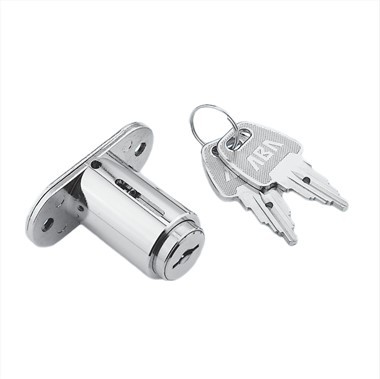
Plunger lock
A plunger lock is a type of lock commonly used to secure cabinets, drawers, and other small enclosures. The plunger extends into the cabinet frame, preventing the door from opening until the plunger is retracted.
Central locking system
Central locking system is one of the types of locks used for lockers, multiple cabinets or drawers. The system consists of a central locking mechanism mounted on the cabinet frame or drawer, which can be unlocked using a central key.
Tubular lock
A tubular lock, also known as a barrel lock or ace lock, is a lock that uses a round key to open the lock. It has a similar design to a tumbler lock, but the key shape is different.
Push lock
Push locks are another type of cabinet door lock that use a simple push-button mechanism to lock and unlock cabinets. This lock is mounted on a cabinet door or drawer and is typically used in low-security applications where a basic level of security is required.


Cupboard and Drawer Locks


How to Choose the Right Cupboard Lock

Cabinet type
The type of cabinet lock will determine the type of cabinet lock that can be used. For example, sliding cabinet doors require a different type of drawer lock than hinged doors.
Security level
The level of security required depends on what is stored in the cabinet. High-value items or confidential information require a higher level of security than typical storage cabinets.
Easy to use
Consider how easy the cabinet lock is to use. If the lock is too complex, users may easily be able to unlock the cabinet, which defeats the purpose of the lock.
Installation requirements
Some types of filing cabinet locks require special installation, such as drilling or cutting holes into the cabinet. Consider whether the installation process is feasible for the type of cabinet and its intended use.
Cost
Different types of locker or cabinet locks have different prices. Consider your budget and whether the cost of the lock is commensurate with the level of security and convenience it provides.
Compatibility
If consumers want to add locks to existing cabinets, consider whether the type of lock is compatible with the cabinets.


Application of Cupboard Lock


Child safety

These locks come in different types and designs, from latches to magnetic locks. They are easy to install and can be used on drawers and cabinets. Cupboard locks are essential tools for parents and caregivers who want to keep their children safe from harmful substances. 

Privacy

A student may use a cupboard lock to keep their textbooks and notes secure. A professional may use a cupboard lock to store important files and documents that contain sensitive information. By using a cupboard lock, individuals can limit access to their personal belongings and protect their privacy. 

Organizing

Storage containers come in various shapes and sizes to fit different items. They help to separate different types of items, making it easier to find what you need when you need it. By putting similar items in one container, it reduces the clutter and makes it easier to keep everything organized.

Medical facilities

These locks help prevent unauthorized access to these items, ensuring they are only accessible to authorized personnel. This helps promote patient safety and prevents potential accidents or mistakes that could occur if the wrong person was able to access these items. Additionally, cupboard locks can help ensure that medical facilities remain compliant with regulations and guidelines regarding the storage and security of medications and other sensitive items.

Data protection

Data protection is the process of safeguarding data against unauthorized access, disclosure, destruction, alteration or misuse. It involves implementing measures to prevent unauthorized access to sensitive information and ensuring data confidentiality, integrity, and availability. Some common data protection measures include encrypting data, backing up data regularly, implementing strong passwords, and using firewalls and antivirus software.


Process of Cupboard Lock
 
01/

Choose the location
You need to choose the location where you want to install the cupboard lock. Typically, the lock is installed on the outer side of the cupboard door. Make sure that you choose a location that is easily accessible for you.If your cupboard has a handle, it's best to install the lock just below the handle. This ensures that the lock is at a comfortable height, so you can easily access it when you need to. If your cupboard doesn't have a handle, choose a location that is a few inches below the top or bottom of the door. Make sure that the location you choose doesn't obstruct the door's movement and allows the lock to function properly.

02/

Mark the position
Once you have chosen the location, mark the position where you want to install the lock using a pencil. You can use a tape measure to ensure that the lock is centered and at the correct height.Additionally, make sure that the lock will not interfere with any nearby objects or obstacles and that it is easily accessible for use. Double check the position before proceeding with installation to save time and ensure accuracy.

03/

Drill a hole
Using the appropriate drill bit, drill a hole through the door of the cupboard at the marked position. Make sure that the hole is deep enough to accommodate the lock.After drilling the hole, use a chisel to form a recess for the lock faceplate so that it sits flush with the surface of the door. Test the lock in the hole to ensure it fits properly before attaching it to the cupboard.

04/

Install the lock
Insert the lock through the hole and secure it by tightening the screws provided with the lock.Make sure that the lock mechanism is facing the correct direction for your needs. Test the lock to make sure it is functioning properly before using it for security purposes. Remember to keep the keys or access code in a secure location.

05/

Test the lock
Once the lock is installed, test it to make sure that it is working properly. Ensure that the key easily turns in the lock and that the door is secure when locked.If there are any issues with the lock, contact the manufacturer or a professional locksmith to assist with fixing the problem before relying on it to secure your property. It is important to take the time to properly test the lock to avoid any potential security breaches or unexpected problems in the future.

06/

Adjust the lock
If necessary, adjust the lock to ensure that it works smoothly and securely. Follow the manufacturer's instructions for adjusting the lock.If you are unsure about how to adjust the lock, contact a professional locksmith for assistance. Remember to always test the lock after making adjustments to ensure that it is functioning properly.


Components of Cupboard Lock
Wave Key Lock
Cupboard Push Lock
Short Cam Lock
Finland Lock

Lock body or housing

This is the main body of the lock that houses the other components.It is typically made of metal and contains the keyway, shackle, and locking mechanism. The lock body is designed to provide a secure barrier to prevent unauthorized access or tampering with the contents it is protecting. It is the foundation of any lock and is essential to its overall effectiveness. The lock body may also contain additional features such as weather resistance or anti-pick protection.

Cylinder plug

This is the part of the lock that turns and engages or disengages the locking mechanism.It is usually a cylindrical piece of metal with a keyway for a key to be inserted and turned, causing the cylinder to rotate and either lock or unlock the mechanism. It can be found in various types of locks, such as padlocks, door locks, and car locks. The cylinder plug is an essential component of the lock, as without it, the locking mechanism cannot be activated or disengaged.

Keyway

This is the opening into the lock where the key is inserted.It is a narrow, rectangular or circular opening in a lock cylinder or rotor designed to receive a key, which then allows the lock to be turned and unlocked. The shape and size of the keyway determine the type of key that is required to operate the lock. Keyways are an important consideration in lock design and security, as the shape and complexity of the keyway can make the lock more difficult to pick or bypass. High-security locks often feature complex or proprietary keyways that are more difficult to duplicate or manipulate.

Key pins

These are the small metal pins inside the lock cylinder that match the different depths of the key cuts.When the correct key is inserted into the lock, the key pins align with the shear line and allow the lock to turn. If the wrong key is inserted, the key pins will not align properly and the lock will not turn. The number and size of key pins in a lock cylinder can vary depending on the complexity and level of security of the lock.

Driver pins

These pins work with the key pins to ensure the lock will only open when the correct key is inserted.Driver pins are small cylindrical metal pins located inside a lock cylinder. They work in conjunction with the key pins, which are smaller, shorter pins, to ensure that only the correct key can operate the lock. The driver pins are spring-loaded and come in various sizes to match the different depths of the key cuts. When the correct key is inserted into the lock, the key pins and driver pins align at the shear line, allowing the cylinder to turn. If an incorrect key is inserted, the pins will not align correctly and the cylinder will not turn, preventing unauthorized access.

Springs

These provide tension to the pins and allow for the correct height placement of both the key and driver pins.When a key is inserted into a lock, the springs compress and exert pressure on the pins, keeping them in place. This pressure allows the key to raise the pins to the correct height so that the shear line is formed, which is what allows the lock to open.

Cam

This is the metal part of the lock that activates the latch when the key is turned.It moves the latch in and out of the door frame, effectively locking or unlocking the door. The shape and size of the cam vary depending on the type of lock and the manufacturer. Some cams are also designed to work with specific keys or keyways to provide added security. The material used to make the cam can also affect the strength and durability of the lock, with materials like brass or stainless steel being popular choices for high-quality locks.

Latch

This is the mechanism that keeps the cupboard door closed.It typically consists of a metal or plastic piece attached to the door that fits into a corresponding hole or catch on the frame of the cupboard. When the door is closed, the latch engages with the catch and holds the door securely shut. Latches can vary in design and complexity and may include additional features such as locking mechanisms or child-proofing devices. They are commonly found in kitchen cabinets, storage units, and other types of furniture with doors.

Screws

The size and type of screw needed will depend on the material of the cupboard and the thickness of the lock being installed. It is important to have the correct size and type of screw to ensure a secure and safe installation. Over-tightening screws can also damage the materials of the cupboard or the lock, so it is important to use the appropriate amount of force when tightening them.cupboard.


Desk Locks with Key


Material of Cupboard Lock

Stainless steel: Stainless steel is the most durable material. The lock body of stainless steel locks is harder and firmer, and will not be easily damaged. Secondly, stainless steel locks can adapt to harsh climates and will not rust, so locks like stainless steel padlocks and cam locks are choices for industrial, chemical, and outdoor use.

Brass: Brass locks are the most widely used locks. Their corrosion resistance is second only to that of stainless steel locks. Additionally, they have the function of preventing rust and corrosion. Moreover, brass locks are commonly used in households. Brass's color and malleability are stronger. It can be forged into different lock shapes, resulting in more beautiful locks suitable for use in both industry and daily life.

Zinc alloy: Compared with stainless steel and brass locks, zinc alloy is neither rust-proof nor strong. This material is easier to make locks with patterns. Therefore, most zinc alloy locks are used for house doors and are not suitable for industrial applications.

Steel: Steel is as strong and durable as stainless steel locks. However, it is not easy to maintain compared with stainless steel locks, as it is prone to rust. It is not suitable for long-term outdoor use. However, due to its low cost, accessories in lock bodies are typically made out of steel.

Aluminum alloy: Aluminum alloy locks are used in aircraft and some aviation fields. Aluminum alloys are lighter, so they will be more widely used.


How to Maintain Cupboard Lock

Maintaining cupboard locks is essential to ensure they are in proper working condition, and it is easier and more cost-effective to maintain them regularly than to replace them when they break down completely. One essential step is to clean the lock regularly, especially if it is exposed to dust, moisture, or other forms of dirt. Dust and dirt can accumulate inside the lock and cause it to malfunction. To clean the lock, use a soft-bristled brush or a toothbrush and gently brush the inside of the lock to remove any dirt, dust, or debris.


After cleaning, apply a small amount of lubricating oil or graphite powder to the lock. This will help to ensure it operates smoothly. Another crucial step to maintaining cupboard locks is to check the screws, bolts, and other fasteners regularly. These can loosen over time due to regular use or external forces, and it can cause the lock to stop working or become weak. Therefore, tightening bolts, screws, and other fittings is necessary to maintain the cupboard lock in the best possible way. 

Drawer Security Lock


Cupboard Security Locks


Comparison Between Cable Lock and Cupboard Lock

Cable locks 

Cable locks and cupboard locks offer different levels of security and are designed for different purposes. Cable locks are generally used to secure bicycles, motorcycles, and other vehicles and equipment that can be easily moved or carried away. They consist of a thin steel cable that can be looped around an object and a lock that secures the two ends of the cable. Cable locks can be relatively easy to cut with the right tools, but they can be a deterrent to opportunistic thieves and can provide a visual indication that an object is secured.


Cupboard locks

Cupboard locks are designed to secure doors and drawers in cupboards and cabinets, typically in homes and offices where valuables, documents, or hazardous substances are stored. Cupboard locks come in a variety of types, including key locks, combination locks, and digital locks. They are typically more robust and durable than cable locks and offer a higher level of security, as they are harder to pick or break open.

The choice between a cable lock and a cupboard lock depends on the specific application and the level of security required. Cable locks are suitable for low-risk situations where an object needs to be secured temporarily or visually marked as off-limits. Cupboard locks, on the other hand, are ideal for long-term storage of valuable or sensitive items where a higher level of protection is needed.


Things to Note When Installing Cupboard Lock


When it comes to installing cabinet locks, there are a few key things to keep in mind. First and foremost, it's important to choose the right type of lock for your needs. There are many different types of cabinet locks available, including padlocks, sliding bolts, and magnetic locks, among others. Consider your specific needs and the level of security you require before selecting a lock. It's also important to measure your cabinets carefully to ensure that you choose a lock that will fit properly. Make sure to purchase a lock that is compatible with your cabinet's material and design. Before installing the lock, clean the area where it will be placed to ensure that there is a smooth, flat surface for it to adhere to. Finally, be sure to follow the manufacturer's installation instructions carefully and double-check your work to ensure that the lock is properly installed an.


Our Factory


Established in 1983, through development and innovation for more than 40 years, Now ABA owns over 200 employees and over 40 specialized technical personnel.


productcate-1-1


Our Certifications


productcate-949-735


 FAQ


Q: How do I install a cupboard lock?

A: Installing a cupboard lock depends on the type of lock you have purchased and the material of your cupboard. Generally, you will need to drill a small hole for the lock cylinder and another hole for the locking mechanism. Follow the manufacturer's instructions carefully and use appropriate tools.

Q: What types of cupboard locks are available?

A: There are several types of cupboard locks available such as magnetic locks, adhesive locks, cam locks, and combination locks.

Q: How do I choose the right cupboard lock?

A: Choosing the right cupboard lock will depend on your specific needs and requirements. Consider the type of cupboard you have, the level of security you need, and the ease of use. Magnetic locks and adhesive locks are good for quick and easy installation, while cam locks and combination locks offer higher security.

Q: Can I install a cupboard lock without drilling holes?

A: Yes, adhesive locks can be installed without drilling holes, but they may not be as secure as other types of locks.

Q: Is there a key that can open any lock?

A: A skeleton key has the warded section of the key removed so that it opens all the doors of a system. Some applications, such as a building with multiple entrance doors, have numerous locks that are keyed alike; one key will open every door.

Q: Do I need to get a professional to install my cupboard lock?

A: It is possible to install a cupboard lock yourself, but if you are unsure or have any doubts, it is recommended to seek professional assistance to ensure proper installation and maximum security.

Q: What are cupboard locks?

A: A cabinet lock is commonly fitted to a cupboard or drawer and used to keep personal or confidential information safe, found both at home or in a workplace. Often referred to as cam locks, they have a cylindrical form that inserts into the material, ideal for both replacements and new installations.

Q: What materials are used to make a lock?

A: The metals used to make key locks include brass and zinc for the internal mechanism, with steel for the cam that protrudes from the lock into the striker on the door frame. The casing for the key lock can be made of a variety of materials including brass, chrome, steel, nickel, and alloys of those metals.

Q: Can you replace a cabinet lock?

A: Replacing a file cabinet lock is relatively easy if you can open the cabinet or the drawers and have the proper replacement parts and tools. However, you may still run into some problems, but a locksmith is just a call away if that happens.

Q: Are cupboard locks easy to use?

A: Yes, most cupboard locks are designed to be user-friendly and easy to operate. Magnetic cupboard locks, for example, require no special tools or keys and can be easily unlocked by an adult using a magnetic key.

Q: Are cupboard locks safe?

A: Yes, cupboard locks can help prevent children from accessing hazardous or dangerous items that may be stored in cabinets or cupboards. However, no lock is completely foolproof, and it’s important to supervise children at all times to ensure their safety.

Q: Can cupboard locks be removed?

A: Yes, most cupboard locks can be easily removed if necessary. However, it’s important to note that removing a lock may leave holes or damage on the cupboard or cabinet door.

Q: How do I choose a cupboard lock?

A: When choosing a cupboard lock, consider the type of cupboard or cabinet you want to secure, the level of security you need, and the ease of use. Additionally, make sure the lock is compatible with the material and size of your cupboard or cabinet.

Q: Where can I buy cupboard locks?

A: Cupboard locks are available at most hardware stores, home improvement stores, and online retailers. Be sure to select a reputable brand and read reviews from other customers before making a purchase.

Q: What locks are made of aluminum?

A: The different types of aluminum door locks and handles include padlocks, knob locks, deadbolts, cam locks, and mortise locks.

Q: Are locks made out of aluminum?

A: Aluminum has some advantages over steel, weight is one and of course aluminum will not rust, making it ideal for any location where moisture is a problem.

Q: Are locks made out of Aluminium?

A: Many lock brands use brass, aluminum, or other steel alloys as their combination lock's outer shell casing.on the other hand, uses stainless steel because its properties are most suitable for the function of a combination lock.

Q: What is the most secure lock for a front door?

A: Deadbolt door locks are the most secure type of key lock and are commonly used on exterior house doors

Q: Are brass locks better than steel?

A: Steel alloy is a harder material than brass and so the machining operation takes much longer, which means much higher manufacturing costs. The solid steel body is very robust and will typically be hardened to make a drill attack on the internal locking mechanism much more difficult and time-consuming.

Q: Can you add a lock to a cupboard?

A: Simply drill a 21mm hole in the cupboard door to attach the lock. Screw the back on. Add the strike plate to the other door or cupboard frame, and you have a complete lock solution for your cabinet.

We're professional cupboard lock manufacturers and suppliers in Taiwan, China, specialized in providing high quality customized service. Please feel free to wholesale high-grade cupboard lock at competitive price from our factory.

(0/10)

clearall